Empowering Youth: Atomprofspilka Spring School 2026
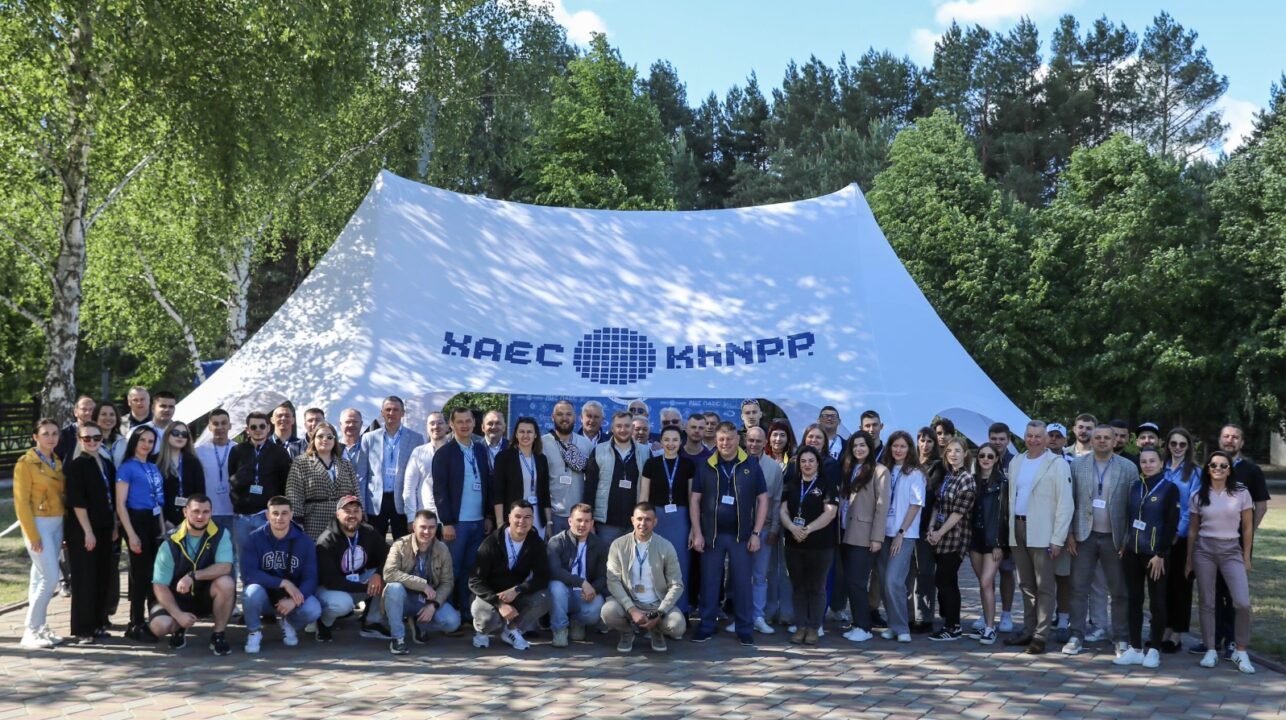
On May 27-30, LI supported the four-day youth school for about 90 participants of the Nuclear Power and Industry Workers Union (Atomprofspilka).
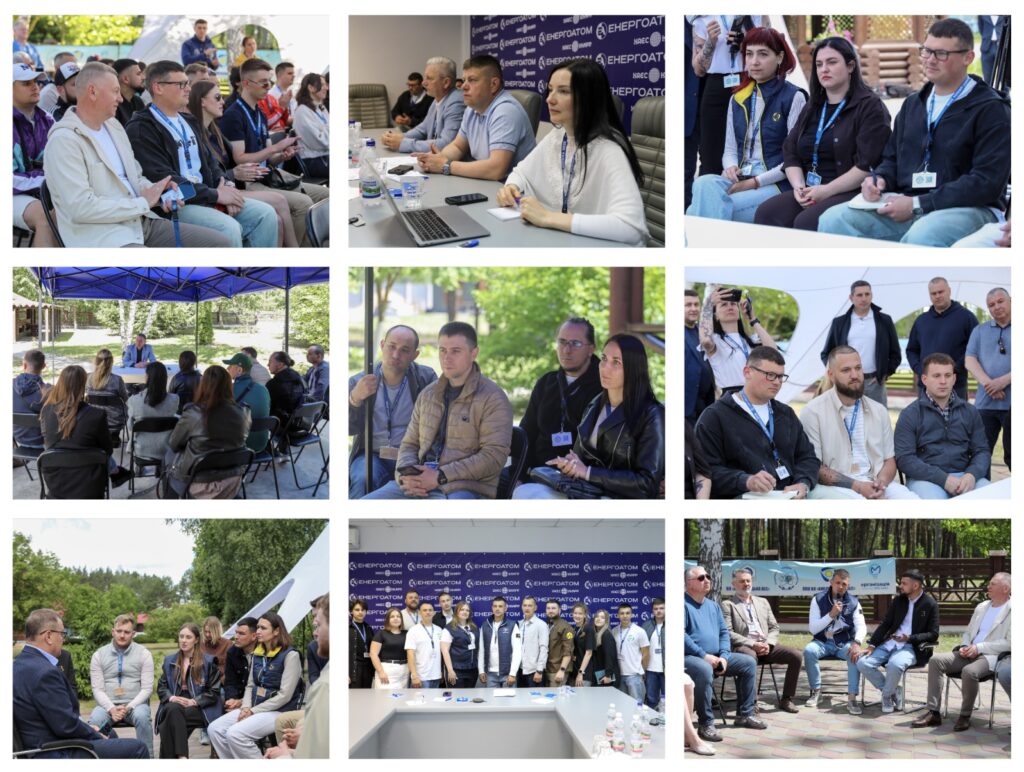
While originally envisioned as a training platform for 60+ young activists, the event organically expanded into a major forum. It served as a vital meeting space bridging youth workers with employer representatives from all nuclear power plants and related facilities across Ukraine. Notably, young attendees had the unique opportunity to directly engage with union leadership and top management from the “Energoatom” company, presenting their proposals and addressing critical youth policies and workplace needs.
For the second consecutive year, the event was hosted in Netishyn, the satellite city of the Khmelnytskyi Nuclear Power Plant (NPP). Building on last year’s inaugural success, this year’s school highlighted the exceptional organizational growth, coordination skills, and unity of the local Khmelnytskyi NPP young activists, who worked as a team to ensure the event ran seamlessly.
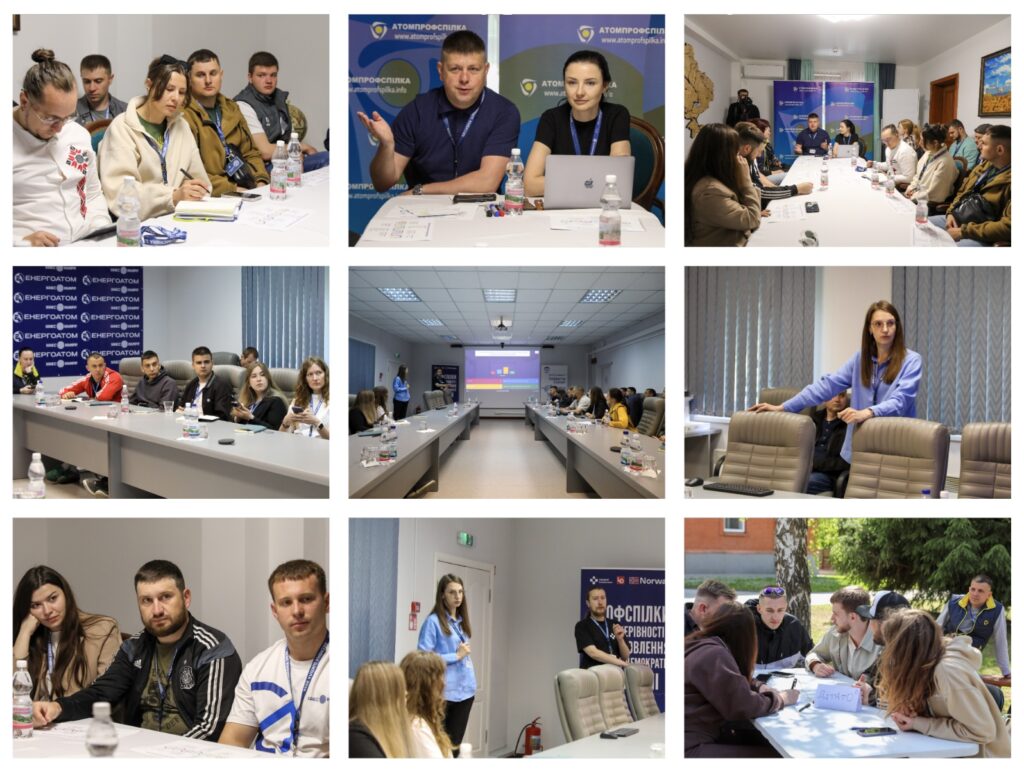
The intensive four-day program was packed with interactive sessions designed to strengthen the union’s internal capacity, educate about the structure of the union and the youth council, and foster leadership. Highlights of the agenda included:
Interactive Legal Briefings: LI lawyers Inna Kudinska and George Sandul delivered two sessions that presented wartime labor regulations and detailed the nuances of ongoing labor legislation reform. These interactive segments allowed participants to get direct, real-time answers to work-related legal questions.
Dialogue with Management: Unique “Live Book” discussion formats allowed youth workers to sit down face-to-face with industry managers and, in the format of “social dialogue,” ask questions and provide proposals.
Inclusivity and Veteran Support: A unique feature of this year’s school was its focus on ethical/ecological communication with war-impacted populations.
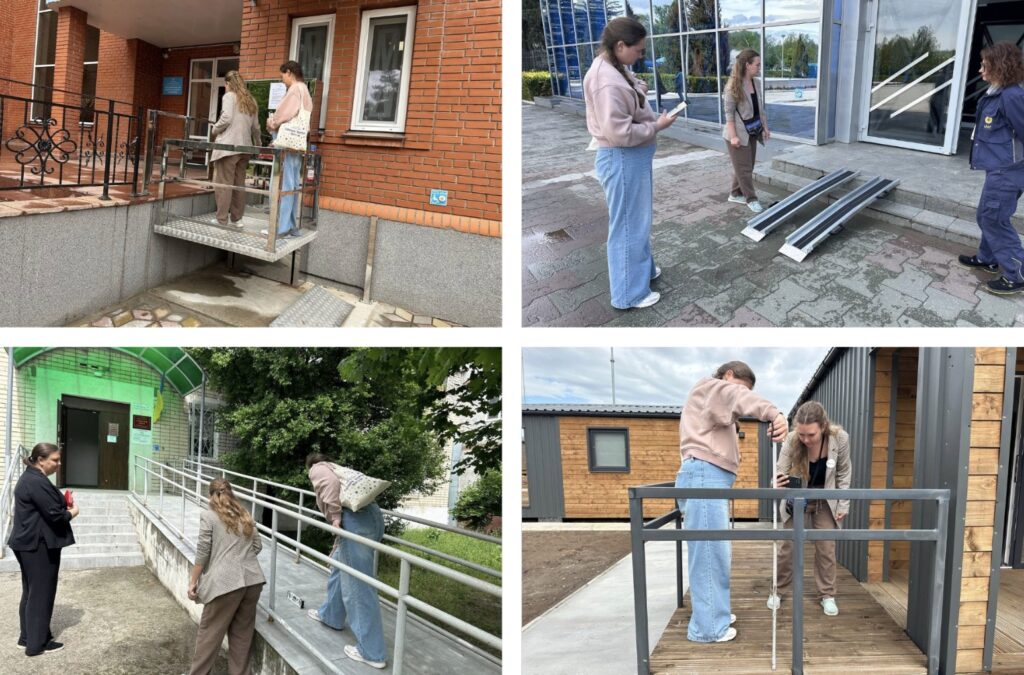
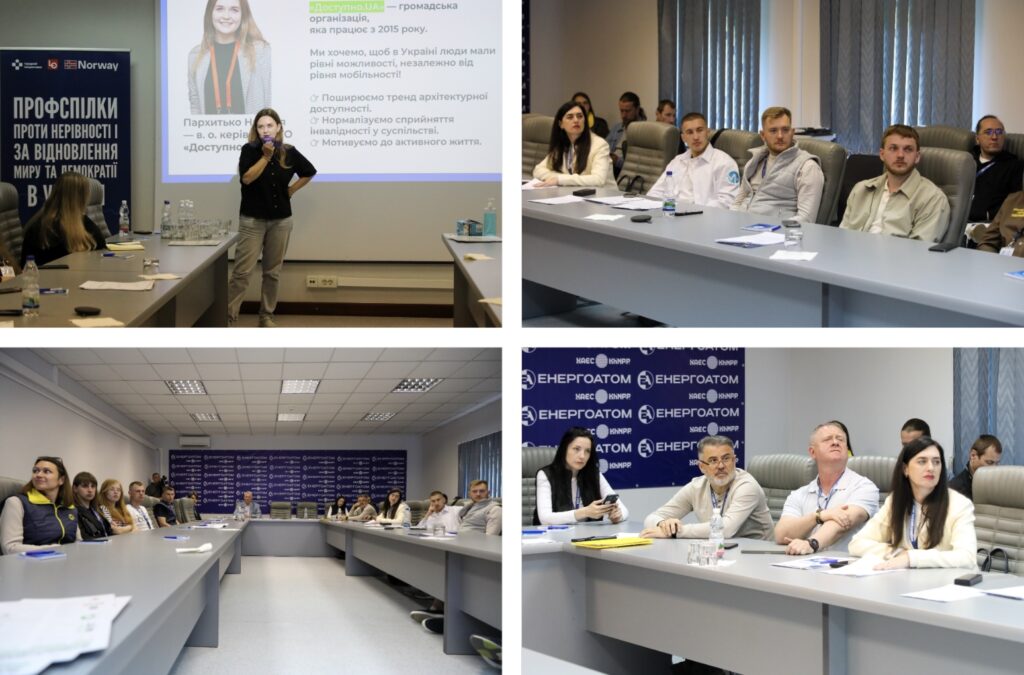
In addition, this school became a unique platform for all participants to learn more about the ethical/ecological communication with people with disabilities, assessment of workplaces regarding inclusivity, and possible means of accommodation for PWDs and war veterans.
The social infrastructure facilities of the Khmelnytskyi and Rivne NPPs served as pilot locations for comprehensive accessibility audits conducted by the NGO “Dostupno.UA”. Because these facilities are slated to host and rehabilitate veterans and PWDs, achieving full accessibility is a top priority. The session drew immense interest from participants as Dostupno.UA presented its audit findings, highlighting key gaps and outlining necessary steps for physical and structural improvements.
